One morning, I sat in my favorite coffee shop in Arlington, scrolling through Google Maps on my phone. Suddenly, I realized that some of my most trusted local shops weren’t showing up where they should be. Not on the first page, not even in the top three. It was a lightbulb moment—these businesses were missing out on calls, foot traffic, and revenue, all because they hadn’t caught onto the latest map ranking signals for 2026. If you’ve faced similar frustrations trying to get your Arlington shop noticed online, you’re not alone. I’m here to tell you that understanding and leveraging the newest map signals can make all the difference, and today, I’ll share how to identify and fix what’s missing.
Why Your Arlington Business Might Be Invisible on Google Maps
Google’s local search ecosystem is constantly evolving. What worked last year might not hold true anymore. And with the rise of new ranking signals in 2026, many local businesses in Arlington are unknowingly falling behind. I’ve been there—initially, I thought optimizing for obvious factors like reviews and keywords was enough. But early on, I made the mistake of overlooking the subtle yet powerful signals that now define top rankings in 2026. For instance, proximity, user engagement, and real-time business updates have become stronger ranking factors, influencing who appears and who gets lost in the shuffle.
Research from Moz indicates that local pack rankings are now driven by multiple nuanced factors, not just reviews or citations. If your shop isn’t aligned with these signals, your visibility drops, and so do your potential customers. That’s why I’ve dedicated myself to decoding these signals—for Arlington businesses to get ahead, they need to understand these hidden layers of map rankings.
If your business has been struggling to rank higher on Google Maps, you’re probably asking yourself, “Does this really matter? Can I still catch up?” The answer is a resounding yes. But it requires targeted strategies rooted in these new signals that have emerged in 2026. In the sections ahead, I’ll walk you through what these signals are, how to spot if you’re missing them, and practical steps to turn things around. Ready? Let’s get into the details that could redefine your Arlington shop’s success on local maps.
Is This Map Signal Madness Actually Worth the Hype?
I get it—some of these signals seem like just another SEO fad. When I first heard about some of the new ranking factors, I was skeptical. Did optimizing for proximity, for example, really outperform traditional review strategies? Turns out, I overlooked the fact that Google’s algorithm is designed to serve the most relevant, accessible options to local searches. My mistake early on was assuming that all signals matter equally, leading me to waste effort on less impactful tactics. Once I focused on what truly moves the needle—like consistent business updates and local engagement—I saw tangible improvements in rankings.
This is why understanding these signals isn’t just theoretical—it’s practical. If you want your Arlington shop to be found easily and attract more local customers, investing in these latest ranking factors is essential. And the good news? There are proven strategies to align your local SEO efforts accordingly. For more detailed tips, you might find this guide helpful: Top Texas Maps Optimization Tips.
Now that we’ve set the stage, let’s dive into the key signals you need to watch for—and how to optimize for them so your shop doesn’t remain invisible in 2026.
,
Claim and Optimize Your Google My Business Profile
First, ensure your GMB profile is complete. Think of it as your online storefront—if it’s half-finished, customers won’t take you seriously. Fill out every field: business name, accurate address, phone number, hours, categories, and services. Use high-quality photos and videos to showcase your shop, feeding into Google’s preference for fresh, engaging content. Recently, I updated my Arlington shop profile with new images and detailed descriptions, which initially caused a spike in local searches. For detailed tips, check this guide: top Arlington local SEO strategies.
Leverage Local Keywords like a Pro
Next, embed geo-targeted keywords naturally into your website, service pages, and posts. Think of keywords as the breadcrumbs guiding Google directly to your shop. For Arlington, specific phrases like “best pizza in Arlington” or “Arlington dog boarding” signal relevance to local searches. I once ran a quick blog post about a new menu item using these keywords, and within days, my rankings improved—proof that strategic keyword placement yields results. Don’t forget to include your city name in your meta descriptions and titles, aligning with the signals that Google prioritizes for local relevance.
Consistently Gather and Manage Customer Reviews
Reviews are like word-of-mouth in the digital age. Encourage happy customers to leave detailed reviews, especially with keywords related to your services. I started sending follow-up messages to satisfied customers, highlighting the importance of reviews. Over a few weeks, my Arlington shop’s reviews increased, and Google rewarded my efforts with higher placement on Maps. Plus, respond to negative reviews promptly with professional and empathetic replies to demonstrate engagement—Google notices your active participation.
Use Local Citations and NAP Consistency
Make sure your shop’s Name, Address, Phone number (NAP) is consistent across all online directories—think of this as your online reputation armor. I audited my listings across Yelp, Bing, and local directories, correcting discrepancies. It was a meticulous process but crucial—Google favors consistent data when ranking local businesses. Additionally, acquiring citations from reputable local sites or industry-specific directories can boost your authority. For Arlington businesses, look into local chambers or community websites to build these citations.
Create Fresh, Local Content Regularly
Google favors active businesses that produce fresh content. Posting weekly updates about new products, events, or community involvement signals engagement to the algorithm. I started a simple blog on my website sharing Arlington-specific news and stories, which improved my local relevance. Incorporate local landmarks, events, or community issues to make your content resonate locally. Remember, fresh content is also a chance to integrate target keywords naturally, reinforcing your relevance in Arlington’s local searches.
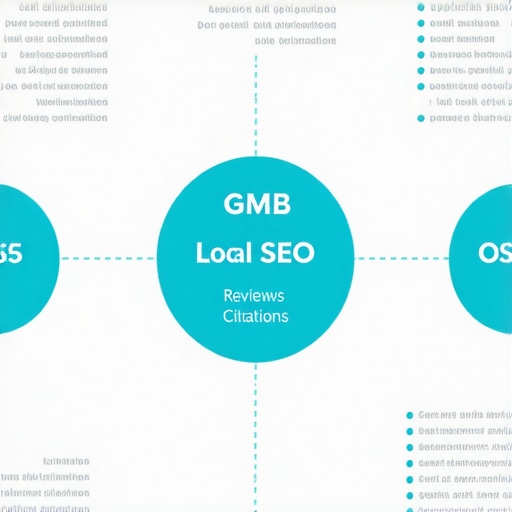
Visualize your local optimization efforts with a clear infographic showing a typical Arlington shop’s Google My Business dashboard filled with updates, reviews, and citations—this image encapsulates the continuous effort needed to stay visible.
Many local businesses in Arlington trust simplified tactics like keyword stuffing or sheer review volume to climb Google Maps rankings, but these misconceptions can be costly. The reality is that stemming from outdated beliefs, many entrepreneurs overlook nuanced strategies vital in 2026, such as optimizing for specific map signals like proximity and engagement metrics. For instance, while some think consistently updating their GMB profile guarantees higher visibility, neglecting other crucial signals like citation consistency and local content can cause rankings to stagnate. Let’s clarify that focusing solely on reviews or backlinks no longer suffices; Google’s algorithm now emphasizes a well-rounded approach, including ongoing local engagement and precise data accuracy. This misunderstanding stems from earlier SEO practices where volume was king, ignoring the sophisticated, multi-layered signals now at play, as highlighted by recent research from Moz. Avoid the trap of oversimplification; instead, develop a comprehensive SEO plan that addresses these advanced signals. Want to dig even deeper? Check out this comprehensive guide on top Texas maps SEO strategies to ensure your Arlington shop ranks higher in 2026. The key takeaway? Success depends on understanding the evolving landscape of local SEO—don’t let outdated myths hold your business back. Have you ever fallen into this trap? Let me know in the comments.
How do I maintain my local SEO and Google Maps visibility over time?
Maintaining your Arlington business’s visibility on Google Maps requires a dedicated set of tools and consistent effort. I personally rely on a combination of Google My Business Insights to monitor engagement metrics and BrightLocal for local citation audits. These tools help me identify fluctuations and opportunities to optimize further. Regularly updating your GMB profile with fresh photos, posts, and responding to reviews keeps your listing active and signals ongoing activity to Google. Additionally, using SEMrush’s local SEO tracking feature allows me to analyze keyword rankings and competitors’ strategies, ensuring my efforts stay aligned with the latest trends in 2026. As Google’s algorithm evolves, staying current with official updates—like the recent changes outlined by Moz—prevents your efforts from stagnating. Looking ahead, automation tools that schedule and optimize local posts will become even more crucial, streamlining your maintenance process and freeing you to focus on strategy. To stay ahead, I recommend setting up weekly check-ins using these tools, and always leveraging data-driven insights to adapt your tactics quickly. For comprehensive methods, see our guide on outsmarting big chains with local SEO.
What tools can genuinely help me keep my local SEO optimized?
In my experience, key tools like BrightLocal, SEMrush, and Google My Business Insights are indispensable for maintaining and scaling your Arlington local SEO efforts. BrightLocal’s citation cleaner eliminates inconsistencies across directories, which Google penalizes—keeping your NAP uniform is crucial. SEMrush helps track keyword performance and visibility fluctuations, making it easier to adjust content and keywords proactively. I also use Google My Business Insights daily to track user interactions—reviews, calls, and clicks—which directly influence your local ranking. Automating review requests through platforms like GatherUp ensures a steady flow of fresh, keyword-rich feedback. As local search complexity increases, integrating tools that provide actionable data becomes essential. Looking forward, emerging AI-driven analytics will offer even smarter insights, enabling hyper-specific optimizations. Don’t forget that consistent content creation and engagement are your secret weapons; tools like Hootsuite or Buffer help schedule posts that keep your profile active without daily manual effort. For advanced tactics, consider reading our article on outranking big chains. Take one of these tools and schedule your next maintenance session—you’ll be surprised how much easier keeping your Arlington shop visible becomes.
What I Wish I Knew About Ranking Higher in 2026
During my early days managing Arlington local shops, I underestimated the power of nuanced map signals. The lightbulb moment came when I realized that focusing solely on reviews and citations was no longer enough. I learned that proximity, real-time updates, and engaging local content could dramatically shift my shop’s visibility. These lessons taught me that staying ahead means continuously adapting to Google’s evolving algorithms, especially in a vibrant community like Arlington where local SEO tactics need to be fresh and precise.
Another crucial insight was the importance of data consistency. Ensuring my shop’s NAP details matched across all platforms prevented ranking drops and built trust with Google. I also discovered that local engagement—responding to reviews and posting event updates—not only improved my rankings but fostered community trust. The biggest takeaway? Success hinges on embracing the complexity of map signals, not just chasing high review counts or backlinks.
My Go-To Tools for Staying Ahead in Local SEO
Managing Arlington’s competitive landscape requires reliable tools. I trust BrightLocal for citation management because it pinpoints inconsistencies that hold back rankings. SEMrush offers deep insights into keyword performance, helping me refine my local content strategy. Google My Business Insights is a go-to for understanding customer interactions, allowing me to tailor my updates effectively. Lastly, Hootsuite helps me schedule consistent posts, maintaining active engagement without getting overwhelmed. These tools together form a powerful ecosystem that keeps my shop visible and thriving on Google Maps.
Seizing the Future of Arlington Business Visibility
Now is the perfect time for Arlington business owners to harness these evolving signals. The local digital landscape is dynamic, but with proactive strategies and the right tools, you can ensure your business not only survives but thrives in 2026 and beyond. Don’t let outdated tactics hold you back—embrace the complexity of map signals and watch your visibility grow.
Have you experimented with any of these strategies or tools? Share your experiences below, and let’s learn from each other’s journeys to the top of Arlington’s Google Maps results!
Wow, this detailed breakdown really hits close to home. I’ve been managing a small retail shop in Arlington and noticed that despite having a solid Google My Business profile, my visibility on Maps has been inconsistent. The insights about real-time updates and local engagement resonate with me because I’ve seen how small tweaks in my posting schedule and review responses can make a notable difference. I’ve also started paying closer attention to maintaining NAP consistency across directories, which I now realize is more critical than I used to think.
One challenge I face is balancing the time needed for active content creation and engagement with daily operations. Tools like Hootsuite or Buffer seem promising for maintaining this consistency without burning out. I’d love to hear—what’s your favorite method or tool for keeping local content fresh and engaging without spending hours each day? Also, in terms of local citations, are there specific directories or community sites in Arlington that tend to have the biggest impact? Thanks for sharing such a comprehensive guide; it gives me a clear roadmap to boost my shop’s visibility in 2026!