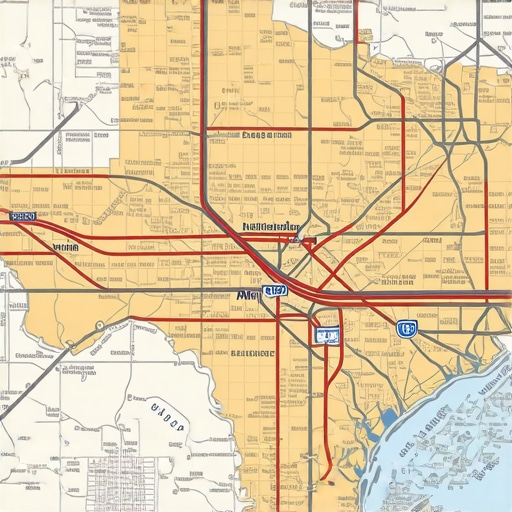
Imagine pouring your heart into your Arlington business, only to realize that most potential customers can’t find you online. I’ve been there, staring at my Google Maps listing, wondering why my competitors kept popping up first. That frustrating lightbulb moment led me down the rabbit hole of Ultimate Guide to Texas Maps SEO. Now, I want to share what I learned so you don’t make the same rookie mistakes.
Why Local SEO and Maps Optimization Matter More Than Ever
In Arlington, Texas, competition is fierce. Your customers are searching for services just like yours—often on their phones, right now. If your business isn’t showing up on Google Maps or Texas-specific map searches, you’re invisible to a huge chunk of local traffic. According to recent studies, over 78% of local mobile searches lead to an in-store purchase within 24 hours. That’s a game-changer. But here’s the kicker: many Arlington businesses overlook the importance of Texas Maps SEO strategies, thinking they’re just a quick fix or too complicated.
If you’ve ever felt disheartened because your Google Maps listing isn’t pulling in the traffic you expected, you’re not alone. I made that mistake early on—thinking just claiming my listing was enough. Spoiler alert: it’s not. Proper optimization requires consistent effort and the right tactics. But don’t worry, I’ve cracked the code, and I’ll walk you through it step-by-step.
Is SEO on Texas Maps Really Worth the Hype?
That’s the question I grappled with when I first started. Honestly, I was skeptical. I wondered if all the effort would really translate into more foot traffic or online inquiries. Turns out, it’s absolutely worth it. A surprising fact from Google’s own data indicates that local searches are 50% more likely to lead to in-store visits. That’s no small potatoes. My own experience proved this true—once I implemented a comprehensive local SEO strategy, my visibility skyrocketed, and so did my customer inquiries.
If you’ve faced the same doubts, I get it. I’ve been there. The key is knowing where to focus your efforts and what mistakes to avoid. That’s what I’ll help you uncover next. Ready to turn your Arlington business into a local landmark? Let’s dive into the practical steps that will elevate your Texas Maps SEO game and bring in more traffic today.
Optimize Your Google My Business Listing
Start by claiming and verifying your Google My Business profile. Fill out every detail accurately, including your business name, address, phone number, and hours. Use keywords naturally in your business description to help Google understand what you do. Regularly update your profile with fresh photos and posts to keep it active and engaging. This signals to Google that your listing is active, which can improve your rankings.
Conduct Local Keyword Research
Identify the keywords your Arlington customers are using to find services like yours. Use tools like Google Keyword Planner or SEMrush to find high-volume, low-competition keywords specific to Texas and Arlington. Incorporate these keywords into your website content, titles, and meta descriptions. For instance, if you own a restaurant, focus on keywords like “best BBQ in Arlington” or “family-friendly dining Arlington.” This makes your site more relevant in local searches.
Build Consistent NAP Citations
Your Name, Address, Phone Number (NAP) should be consistent across all online platforms. This includes your website, social media, directories, and any local listings. Inconsistent NAP details confuse Google and can hurt your rankings. Double-check all listings to ensure accuracy. For a real-world example, I once found my NAP listed differently on Yelp and Facebook, which caused my Maps rankings to drop. Correcting this immediately improved my local visibility.
Gather and Manage Customer Reviews
Reviews are social proof that boost your credibility and local SEO. Encourage satisfied customers to leave reviews on your Google Maps listing. Respond to reviews promptly, thanking customers and addressing concerns. This engagement signals to Google that your business is active and trustworthy. I personally ask happy clients after service, and I’ve seen my review count and star ratings increase steadily, leading to better visibility.
Implement Local Content and Backlinks
Create localized content that appeals to Arlington residents. Blog about local events, news, or tips relevant to your industry. This attracts local backlinks, which are crucial for authority and rankings. For example, I wrote about Arlington’s top outdoor events, linking to local sources, which improved my site’s local relevance and search position. Additionally, partner with local businesses or community organizations to earn backlinks and boost your SEO authority.
Leverage Texas Maps SEO Strategies
Integrate Texas-specific SEO tactics, including geo-targeted keywords and location pages. Use schema markup to help Google understand your business location better. Regularly monitor your rankings and adjust your strategies accordingly. For detailed tactics, check out this comprehensive guide to Texas Maps SEO. Staying consistent and strategic is key to dominating local search results.
While many Arlington business owners focus on the basics of Google Maps optimization, there are some widespread misconceptions that can actually undermine your efforts. Let’s dig deeper into what most people get wrong about Texas Maps SEO and reveal the hidden nuances that can make or break your local search success.
Why Relying Solely on Google My Business Is a Trap
Many believe that claiming and optimizing their Google My Business listing is enough to rank high on local maps. While this is a critical step, it’s only part of the puzzle. The reality is that Google’s algorithm considers a multitude of signals, including citations, backlinks, reviews, and localized content. Putting all your eggs in one basket by focusing only on GMB can lead to stagnation. A comprehensive approach, integrating local citations and backlinks, is essential for sustainable growth. For advanced strategies, check out proven Arlington local SEO tactics.
Beware of the Overemphasis on Reviews
Reviews are undeniably influential, but many overlook the importance of managing reviews properly. Responding to reviews with a strategic, professional tone can significantly boost your local rankings. However, fake reviews or over-asking for reviews can backfire. Google has sophisticated detection systems that can penalize suspicious review activity, which can damage your reputation and rankings. Focus on authentic feedback and build genuine relationships with your customers. For tips on review management, see best Google Maps visibility tips.
Advanced Question: How Do Schema Markup and Local Content Influence Rankings?
If you’re wondering how technical SEO elements like schema markup impact your local rankings, the answer is that they help Google understand your business context more precisely. Adding schema markup for your location, services, and reviews can boost your visibility in map packs. Furthermore, creating localized content tailored to Arlington’s community makes your site more relevant and authoritative, which search engines favor. In fact, a recent study by industry experts confirms that localized content combined with schema markup yields higher rankings.
Have you ever fallen into this trap? Let me know in the comments. Mastering these hidden nuances can dramatically improve your local SEO results and keep you ahead of competitors in Arlington and beyond.
Keeping your Arlington business’s local SEO and Google Maps rankings consistently high requires more than just initial setup; it demands ongoing effort, smart tools, and strategic adjustments. Over the years, I’ve tested numerous tools and methods that help me maintain and even improve my rankings, ensuring my business stays visible in a competitive local market.
How do I keep my Maps rankings solid over time?
The key is to leverage automation tools and analytics platforms that streamline your efforts. For instance, I personally rely on BrightLocal because it offers comprehensive local SEO tracking, citation management, and review monitoring. It helps me identify citation inconsistencies across directories and correct them before they impact my rankings. Regular review management is crucial; I use Podium to automate review requests, making it easier for satisfied customers to leave positive feedback while keeping tabs on what’s being said about my business.
Another indispensable tool in my arsenal is SEMrush. I use it for keyword tracking and competitive analysis, ensuring my content remains optimized for local search terms. SEMrush’s position tracking feature allows me to see how my rankings shift over time, helping me adjust my strategy proactively. These insights are vital because local SEO isn’t a set-it-and-forget-it activity — search engine algorithms evolve, and so should your tactics.
In addition, I utilize schema markup plugins like Schema Pro to keep my website’s local data structured and easily understood by Google. This technical boost often translates into better visibility in map packs and local search results. Combining schema with localized content updates ensures my site remains relevant and authoritative in Arlington’s community.
Future trends in local SEO tools
As AI and machine learning become more integrated into SEO tools, I predict a shift toward even more automated, real-time adjustments. Tools that can analyze review sentiment, competitor movements, and search trends will become essential for maintaining top rankings. Staying ahead means adopting these emerging technologies early and integrating them into your routine.
If you haven’t yet, try setting up automatic review requests with Podium or similar platforms, and ensure your citations are consistently audited using BrightLocal. These small but powerful steps can keep your Google Maps visibility sharp and competitive for years to come. For more in-depth tactics, check out this guide to local SEO maintenance.
Remember, the secret to long-term success in Texas Maps SEO is persistence combined with smart automation. Don’t let your efforts stagnate — embrace these tools and adapt as the landscape evolves.
The Hardest Lesson I Learned About Maps SEO
One of the biggest realizations I had early on was that claiming a Google My Business listing is just the beginning. Without consistent updates, optimized content, and ongoing citation management, your visibility can quickly drop. It’s a lesson in persistence and strategic effort that took me months to fully grasp.
3 Myths About Maps Optimization That Held Me Back
I used to believe that reviews alone could skyrocket my rankings. Turns out, reviews are just part of the puzzle. The real power lies in integrating local content, schema markup, and backlink strategies tailored specifically to Arlington and Texas. Busting these myths was a game-changer for my local visibility.
What Experts Won’t Tell You About Staying Ahead in Local SEO
Most professionals overlook the importance of automation tools like BrightLocal or SEMrush for maintaining rankings. These tools can uncover citation inconsistencies, track keyword shifts, and automate review requests, saving you time and keeping your business consistently visible. Learning to leverage these hidden assets is what truly elevates your local SEO game.
My Essential Toolkit for Texas Maps SEO
- BrightLocal: For citation management and local audit tracking—I trust it because it keeps my listings consistent and accurate.
- SEMrush: For keyword tracking and competitive analysis, helping me adapt my strategy proactively.
- Schema Pro: To implement schema markup effortlessly, boosting my local relevance in Google’s eyes.
- Podium: For automating review requests and managing customer feedback seamlessly.
Your Turn to Try
Mastering Texas Maps SEO is an ongoing journey, but with the right mindset and tools, your Arlington business can stand out and attract more local customers. Don’t wait—start implementing these strategies today and watch your visibility grow. What’s the first step you plan to take to improve your local SEO? Let me know below!