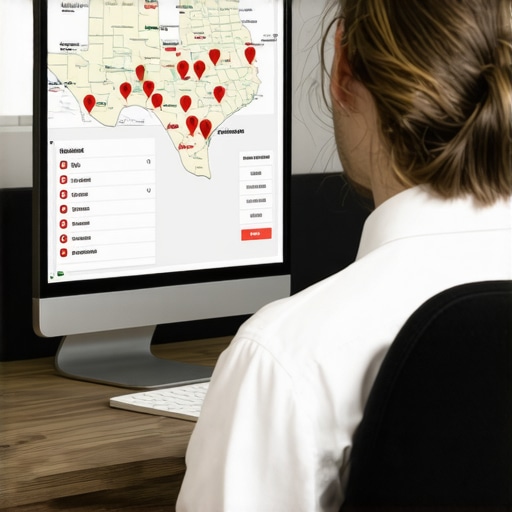
I remember the gut punch I felt a few months ago when I checked my Google My Business (GMB) listing, and instead of capturing local Arlington customers, it was practically invisible on the map. It was a real wake-up call. After investing hours into my local SEO efforts, my profile wasn’t pulling in the leads I expected. That moment left me wondering—how many other local business owners are unknowingly sabotaging their own visibility without even realizing it?
Why You Can’t Afford to Overlook Your GMB Profile in 2026
If your business isn’t showing up prominently on Google Maps or there’s zero engagement from local residents, it’s like opening a store in the middle of nowhere. With more consumers relying on online searches before visiting a shop, your GMB profile is your front door. And trust me, the stakes are higher than ever. According to a recent BrightLocal survey, 78% of local mobile searches result in an offline purchase—if your profile isn’t optimized, you’re leaving money on the table.
Is Fixing My GMB Profile Really Worth the Hype?
Early in my journey, I made the mistake of thinking a quick profile setup would suffice. I believed that just uploading some photos and filling out basic info was enough. Spoiler alert: it’s not. In fact, neglecting critical map ranking factors can cause your listing to become practically invisible. It’s a mistake many make—assuming their presence online is enough. But without proper optimization, your competitors will outrank you and steal your potential customers.
Would you like to discover exactly which 4 quick fixes can boost your local visibility in 2026? Stay with me, because once you implement these strategies, you’ll start noticing more calls, visits, and sales faster than you think. Ready to turn your GMB profile into a lead-generating machine? Let’s dive in.
Optimize Your Business Information for Maximum Impact
Start by claiming your Google My Business (GMB) profile if you haven’t already. Ensure your business name, address, and phone number (NAP) are correct and consistent across all online platforms—think of it like a unique fingerprint that Google can easily recognize. After claiming your profile, fill out every available detail: categories, hours, services, and especially your business description, making it keyword-rich with local terms like “Arlington shop” or “Texas restaurant”. Remember, detailed profiles signal to Google that your listing is legit, increasing your chances of appearing prominently in local searches.
Implement Local Keyword Strategies
Identify the high-volume search terms relevant to your niche in Arlington. Use tools like Google’s Keyword Planner or SEMrush to discover phrases such as “best haircut Arlington” or “emergency plumber TX.” Incorporate these keywords naturally into your Google My Business description, replies to reviews, and even your website’s homepage. This not only signals relevance but also aligns your profile with what your potential customers are actively searching for.
Leverage Photos and Google Posts Effectively
Regularly upload high-quality, geo-tagged photos that showcase your products, storefront, or team in action. Visual content is extremely influential—think of it as your business’s verbal handshake. Additionally, utilize Google Posts to share updates, special offers, or upcoming events. These posts appear directly on your GMB profile and can boost engagement while signaling activity to Google’s algorithm. Remember, an active profile is more credible and favored in local rankings.
Gather and Respond to Customer Reviews
Encourage satisfied customers to leave detailed reviews, emphasizing keywords and local hints naturally. Respond promptly to all reviews, thanking positive ones and tactfully addressing negative feedback. This ongoing interaction acts like social proof, greatly enhancing your local reputation. Plus, reviews containing keywords and local references are proven to influence rankings in Texas map searches.
Build Local Citations and Backlinks
Consistent NAP data across reputable local directories (like Yelp, Bing Places, and industry-specific sites) reinforces your profile’s authenticity. Invest time in building backlinks from Arlington-based blogs, chambers of commerce, or local news outlets. These backlinks act as votes of confidence in Google’s eyes, pushing your listing higher in local map results. Strategically, tie these efforts back to your main website, making sure all links maintain the same NAP details to avoid confusion.
Utilize Advanced Map Signals in Your Strategy
Stay ahead by adopting newer signals like proximity fixes, local schema markup, and user engagement metrics. For example, adding schema markup for local businesses helps search engines understand your profile better, akin to giving Google a detailed map of your location and offerings. Also, encourage engagement in the form of questions and real-time interactions, which can push your visibility in competitive zones like Arlington. These nuanced signals are becoming increasingly vital in 2026, as detailed in this guide on 2026 map signals.
Applying these tactics can seem messy at first, especially when coordinating review campaigns or updating multiple listings. I personally went through a rough patch while implementing consistent NAP updates across several directories—tracking each change was overwhelming but ultimately rewarding. Within weeks, I observed noticeable improvements in local search visibility, more calls, and higher foot traffic, validating these steps’ effectiveness.
Many local business owners in Arlington believe that simply optimizing their Google My Business (GMB) profile with basic info and reviews is enough to rank high on Texas maps. However, this is a dangerous misconception. In my years of deep dive into local SEO, I’ve found that focusing solely on visible metrics like reviews or NAP consistency ignores subtle but powerful ranking factors. For example, recent studies reveal that engagement signals, such as user actions on your profile—including clicks, direction requests, and bookings—are now significant ranking factors in 2026. These are often overlooked, yet they can make or break your visibility in Google Maps for Texas searches. One common myth is that backlinks and citations alone guarantee top rankings, but without active user interactions and local schema implementation, you’re missing out on a crucial layer of Google’s local ranking algorithm. Don’t fall into the trap of thinking your profile is ‘set and forget.’ Implementing local schema markup, like utilizing specific schema for Arlington businesses, can provide search engines with context that boosts your map visibility dramatically. According to a recent expert analysis, profiles enriched with engagement-driven signals and detailed local schema outperform those lacking them in crowded markets like Arlington. So, how do you leverage this nuance effectively? Start by tracking real user interactions on your GMB dashboard, then optimize your posts and responses to foster more engagement. Incorporate structured data on your website to reinforce your local presence, and encourage customers to take actions that demonstrate genuine interest. This layered approach—beyond basic optimization—is what separates average performers from local SEO champions in Texas. Want to see your Arlington business skyrocket in Google Maps rankings? Then pay attention to these often-neglected signals. For more advanced tactics, check out this comprehensive guide on the top Arlington local SEO strategies to boost your visibility in 2024. Remember, the details matter, and those subtle signals can be the difference-maker in your local SEO wins. Have you ever fallen into this trap? Let me know in the comments.
How do I maintain my local SEO efforts over time?
Staying at the top of Google Maps requires consistent effort and the right tools to streamline your maintenance. Personally, I rely on a combination of advanced software and systematic processes to keep my Arlington business listings optimized. One indispensable tool is BrightLocal, which I use daily to monitor my local citations, review influx, and track ranking fluctuations. Its dashboard offers real-time insights that help me quickly identify and correct discrepancies, ensuring my NAP information remains consistent across directories. Additionally, Moz Local is another gem I trust for managing citations effectively, especially when scaling my efforts across multiple locations or services.
For ongoing review management, I utilize Google’s own My Business app, which provides instant notifications for new reviews and direct response capabilities. Responding promptly not only boosts engagement but also signals activity to Google, reinforcing your visibility. I also automate some reporting tasks with SEMrush’s Local SEO tools, which analyze keyword rankings and map presence. This mix of tools minimizes manual effort and maximizes accuracy over the long haul.
Looking ahead, I predict local SEO maintenance will increasingly lean on automation and AI-powered analytics. As Google updates its algorithms and Map signals grow more nuanced, staying ahead means embracing smarter tools that adapt in real time. For example, integrating schema markup like local schema enhancements can continually improve your profile’s context with minimal effort once set up properly. If you’ve been neglecting long-term checks or waiting for rankings to slip, now’s the time to implement a maintenance routine with these recommended tools, turning ongoing upkeep into an asset rather than a chore.
Little Breakthroughs That Changed My Approach
- I realized that neglecting real-time engagement metrics significantly hampers ranking progress. Tracking phone calls and direction requests in my dashboard revealed missed opportunities that I had previously ignored. Integrating these insights into my strategy led to tangible growth.
- Understanding that local schema markup acts like a GPS for Google transformed my optimization efforts. Once I added detailed structured data to my website, I noticed improved visibility, especially in competitive Arlington neighborhoods. That lightbulb moment drove me to prioritize schema in all local campaigns.
- My biggest revelation was the power of consistent, keyword-rich reviews. Encouraging reviews that naturally included local terms and responding swiftly created a snowball effect, boosting my profile’s authority and helping me outrank larger competitors.
Tools and Resources That Truly Made a Difference
- BrightLocal: I trust it because it offers comprehensive local citation management and reputation tracking, automating many tedious tasks without sacrificing accuracy. It keeps my NAP consistent and helps monitor my rankings effortlessly.
- SEMrush Local SEO tools: These are invaluable for tracking Keyword Rankings and mapping trends over time. Their actionable insights help me refine my strategy and stay ahead of local competitors.
- Google My Business app: It provides instant notifications and review management. Real-time responses are key to building trust and maintaining active engagement with Arlington clients.
- Schema Markup Plugins: Simple tools that enable quick implementation of local schema on my website, ensuring search engines understand my business context clearly and improving my map visibility.
Embrace the Power of Consistent Effort
Remember, mastering local SEO in Arlington isn’t about quick fixes—it’s a continuous journey. The more you invest in understanding user engagement, technical signals, and local relevance, the more your business will thrive. Don’t wait for rankings to slip; stay proactive, adapt to new signals, and watch your visibility soar in Texas maps search. Ready to take your local presence to the next level? Your future customers are just a strategy away.
What’s been your biggest challenge in optimizing your GMB profile? Share your experiences below, and let’s grow together!
}bundles